
"Colombian Narino"
400 article(s) found

Introduction to the flavor and taste of Colombian coffee manor characteristics of Colombian coffee boutique coffee beans
The pure taste of Colombian coffee comes from Colombia's natural environment with the most favorable conditions for coffee growth. But beyond that, it is inseparable from the hard work of local growers. In Colombia, coffee cultivation has reached 1.07 million hectares, there are about 302000 coffee plantations in the country, and 30 to 40 per cent of the rural population depends directly on coffee production. Columby

A brief introduction to the market price of Columbia exquisite boutique coffee bean varieties with high balance
Colombia is rich in products, especially coffee, flowers, gold and emeralds known as the four treasures. In 1808, a priest introduced coffee to Colombia for the first time from the French Antilles via Venezuela. Today, the country is the second largest coffee producer after Brazil, the world's largest exporter of Arabica coffee beans and the world's largest exporter of washed coffee beans. Columby

The main supplier of Starbucks Coffee-introduction of Columbia Linglong Narino producing area
For professional baristas, please follow the Coffee Workshop (Wechat official account cafe_style) Colombia, currently the third largest coffee producer in the world, after Brazil and Vietnam, first grew commercial beans in the 1830s and accounted for the largest share of export crops in the 20th century. the mountainous terrain, coupled with a variety of tropical microclimates, provided an ideal planting environment with a total output of 75%.

Introduction to the taste of Colombian coffee beans treated by grinding scale with thick texture
The main varieties of Colombian coffee are Arabica coffee (coffea arabica), that is, small fruit coffee (small grain coffee). Relatively speaking, large fruit coffee (coffea robusta) is mostly grown in Africa of origin, such as the famous Madagascar coffee. There are several varieties of small fruit coffee. Brazilian coffee, which has the highest yield in the world, has large seeds, strong adaptability and high fruit yield.

Introduction to the taste characteristics of Colombian boutique coffee bean flavor manor area
Coffee workers go up the mountain to pick coffee beans (also known as coffee cherries) by hand, so they can pick carefully and pick the most ripe and full fruits. The vast majority of Colombian coffee beans are water-washed and moderately roasted with a light, silky and sometimes sour taste, which is not as strong as Brazilian coffee and Italian Expresso and is known as green.

Pure Colombian coffee flavor taste country of origin manor introduction to Lazmus manor
The pure taste of Colombian coffee comes from Colombia's natural environment with the most favorable conditions for coffee growth. But beyond that, it is inseparable from the hard work of local growers. In Colombia, coffee cultivation has reached 1.07 million hectares, there are about 302000 coffee plantations in the country, and 30 to 40 per cent of the rural population depends directly on coffee production. Columby
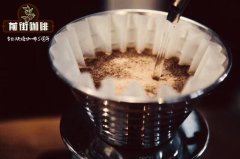
Is Colombian Coffee beans or varieties Colombian Coffee Natural conditions win at the starting line
For more information about coffee beans, please follow the coffee workshop (Wechat official account cafe_style). Colombia is located in northwestern South America, bordering Venezuela and Brazil to the east, Ecuador and Peru to the south, Panama to the northwest, the Caribbean to the north and the Pacific Ocean to the west. With a land area of about 1.142 million square kilometers, it ranks first in South America.

Boutique coffee beans Colombian coffee Arabica coffee small fruit coffee has a unique flavor
Colombian coffee (Cafe de Colombia), which originated in Colombia, is one of the few individual coffees sold in the world under the name of the country. In terms of quality, it has won praise unmatched by other coffee. Compared with other producing countries, Colombia is more concerned with developing products and promoting production. It is this, coupled with its superior geographical and climatic conditions, that makes Goran

Introduction to the Flavor description treatment of Colombian Huilan Coffee Variety characteristics in producing areas
The pure taste of Colombian coffee comes from Colombia's natural environment with the most favorable conditions for coffee growth. But beyond that, it is inseparable from the hard work of local growers. In Colombia, coffee cultivation has reached 1.07 million hectares, there are about 302000 coffee plantations in the country, and 30 to 40 per cent of the rural population depends directly on coffee production. Columby

Introduction of Fine Coffee Bean producing areas-- introduction of Coca Coffee producing areas in Colombia
Cauca province, Cauca department, the name comes from the Cauca River, Cauca River. Located in southwestern Colombia, it is an important producing area of Colombian boutique coffee together with Narino Department and Huila Department. Provincial capital: Popayan Popayan population: about 1368000 location: 00.58.54-03.19.04 north longitude 75.

Introduction to the characteristics of Colombian Coffee Flavor Manor with soft and smooth taste
The pure taste of Colombian coffee comes from Colombia's natural environment with the most favorable conditions for coffee growth. But beyond that, it is inseparable from the hard work of local growers. In Colombia, coffee cultivation has reached 1.07 million hectares, there are about 302000 coffee plantations in the country, and 30 to 40 per cent of the rural population depends directly on coffee production. Columby
Grinding scale of Colombian coffee beans introduction of flavor description by regional treatment of varieties
Each caffeine variety has a different origin and has its own strong character, such as the masculine Mantenin, which resembles the character of an iron and steel man, and the mellow, fragrant Blue Mountain Coffee, which is called the gentle woman's yearning addiction. Columbia Super Coffee, which has always been light-scented, is the most suitable for those who like light sex. Such people do not want to drink coffee as a serious thing, from

Is Colombian coffee black? Colombian coffee culture how to drink Colombian coffee
Coffee workshop (Wechat official account cafe_style) Coffee farmers around the world are committed to producing high quality coffee beans. Cup testing enables them to connect with raw bean buyers who pay attention to the quality of coffee beans, thus earning better income, while avoiding price exploitation by merchants. In recent years, Fair Trade Coffee Cooperatives have been in succession

Characteristics of Colombian St. Augustine San agustin Coffee? Colombian coffee grading
Professional coffee knowledge exchange more coffee bean information please follow the coffee workshop (Wechat official account cafe_style) Colombian coffee-origin in Colombia, roasted coffee beans will release sweet aroma, with sweet in the acid, bitter in the good quality characteristics, because of the proper concentration, it is often used in high-grade mixed coffee. Colombian coffee is basically simple.

Starbucks Coffee Bean selection Series | Coffee Story of Cerro Asul 01 in Rose, Colombia
For the exchange of professional baristas, please follow the coffee workshop (Wechat official account cafe_style) Starbucks coffee bean selection series | Cerro Asul 01 coffee production in Colombia. Colombia has always been a large coffee grower, once contributed 10% of the total global coffee production and is an important producer of bulk commercial Arabica coffee. The existing coffee growing areas are generally divided.

What is the micro-batch Colombian smallholder program? What are the characteristics of Colombian coffee beans?
For more information on coffee beans, please follow the Coffee Workshop (official Wechat account cafe_style) to launch a micro-batch Colombian smallholder program in 2015, which offers coffee farmers from several of Colombia's best producing areas, including Huila, Narino, Cauca, Tolima, etc., unlike many coffee farmers who grow Castillo varieties.

Description of flavor of Colombian Huilan coffee beans introduction of grinding scale in producing areas of varieties
Colombian Huilan Coffee Bean Flavor description Regional Grinding scale introduction to Colombian coffee varieties are mainly small-grain coffee. Plants are small trees or large shrubs, 5-8 m tall, usually much branched at base; old branches gray-white, nodes dilated, young branches glabrous, compressed. Leaves thinly leathery, ovate-lanceolate or lanceolate, 6-14 cm long, 3.5-5 cm wide, tip long acuminate

Columbia Hope Manor (La Esperanza) is different from other Hope Manor areas in terms of development.
Professional barista exchanges please follow the coffee workshop (Wechat official account cafe_style) Columbia-hope Manor (La Esperanza) Colombian Coffee has long been divorced from the impression of shoddy and base coffee, through coffee competitions in recent years to let people know more about Colombian coffee, good coffee usually comes from good estates and small and special producing areas such as Colombia-na.

How do Colombian coffee taste Colombian coffee beans? Colombian coffee culture
For more information on coffee beans, please follow the Coffee Workshop (official Wechat account cafe_style). According to the Organization of Aboriginal States of Colombia (Organizacin Nacional Indgena de Colombia,ONIC), there are 102indigenous tribes in Colombia that speak 64 different languages. 710 original areas have been set up in 228 administrative regions across the country.
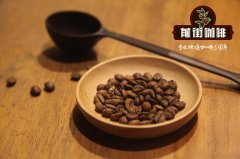
The difference between Colombian Coffee producing areas and Colombian Coffee producing areas with strong caramel aroma
Professional coffee knowledge exchange more coffee bean information please follow Coffee Workshop (Wechat official account cafe_style) Front Street-Columbia Coffee is located in the southwest of Colombia, west of the Pacific Ocean, north of the province of Wald Cauca, northeast of Tolima, east of Vera, south of Narino, Colombia is one of the important boutique coffee producing areas. With the southern part of Colombia